
Real World Academic Challenge
During the United Nations’ Decade of Education for Sustainable Development, New Roots School answered the call by integrating sustainability into daily school practice and programs, and identifying local sustainability challenges and integrating local knowledge and skills into solutions while remaining conscious of our place in the international community. Inspiration from the UN initiative continues to influence the New Roots curriculum today.
At New Roots, the academic challenge is applying what you know and can do to make your vision for yourself and your world a reality.
Every student at New Roots receives individualized attention and develops a personal learning plan to be successful within their unique skillset and learning style. We emphasize academic learning to understand the community, the bioregion, and the interdependence of international communities, which empowers the development of critical thinking and problem-solving skills, considering the global implications of our commitment to sustainability.
Throughout the year, students take leadership initiatives on community sustainability and social justice by participating in democratic school decision-making processes that model and consider a democratic world, and learning the skills and knowledge needed to be a “green” entrepreneur and an advocate for social justice.

Entrepreneurialism
New Roots Students Learn Entrepreneurial Thinking
In our rapidly-changing economy, entrepreneurial thinkers have an advantage. New Roots curriculum is designed to empower the next generation of entrepreneurs. Creating a dream job or managing a new enterprise is sustainable with critical thinking, interpersonal communication, problem-solving and organizational skills.
Thinking Outside the Box
New Roots students are encouraged to recognize emerging opportunities, be critical thinkers, and work with others in the community to create sustainable solutions. They gain confidence by experiencing the value of their contribution to the community.
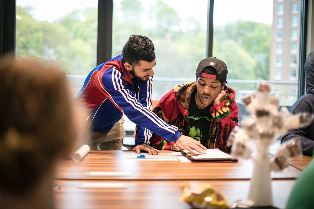
Learning expeditions and interdisciplinary courses focused on community-based learning, empower students with real-world application of knowledge and authentic opportunities to contribute. Experiential learning and internships reinforce these innovative education practices.

Sustainable Food Systems
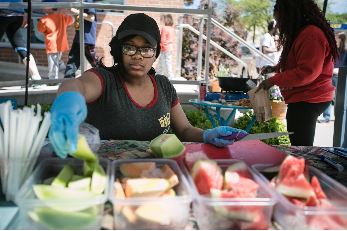
The New Roots Sustainable Agriculture & Food Program provides in-depth knowledge of social, scientific, and cultural factors about how we bring food to our table.
Through internships, electives, special projects, and events, students learn hands-on skills that few other schools in the country currently offer. Students also have a range of culinary arts experiences focusing on the connections between the farm, the food, and the table.
Students develop portfolios that demonstrate their learning about how cooking, farming, food distribution and processing have developed throughout history. Food insecurity, poor nutrition, ecological degradation, the history of agriculture, and the social causes of hunger and nutrition are some of the various topics that students are immersed in.
Intentionally Small
Research shows that a more engaging and connected learning environment leads to more equitable achievement outcomes for all. In their 2007 report, “Smaller, Safer, Saner Schools,” the University of Minnesota’s Center for School Change identifies several key elements of successful small schools that improve educational outcomes for all students: a strong culture of caring, teacher mentoring and support, rigorous and relevant curriculum, and service learning through community-based projects. The New Roots advisory program integrates these elements to ensure that all students enjoy a meaningful, high quality education, and no student falls through the cracks.